Your cart is empty now.


The Architect's Guide to Integrating a White Marble Wash Basin into Luxury Interiors
Designing a high-end bathroom requires more than just selecting expensive fixtures; it demands a deep understanding of how natural materials interact with light and space. For architects and interior designers working on premium residential projects in the United States, the white marble wash basin serves as a sculptural centerpiece that transcends mere utility. This piece of stone acts as a canvas, reflecting the subtle nuances of ambient lighting while providing a tactile experience that synthetic materials simply cannot replicate. When you specify marble, you are not just choosing a color; you'cle choosing a geological history that brings organic character to a sterile environment.
The selection process begins with identifying the specific marble variety that aligns with your project's aesthetic vision. Carrara, Calacatta, and Statuario offer distinct veining patterns that can either anchor a minimalist powder room or add dramatic movement to a sprawling master suite. A well-chosen marble wash basin provides a sense of permanence and luxury that stays relevant through shifting design trends. As a professional, your goal is to balance the visual weight of the stone with the surrounding cabinetry and hardware to create a cohesive, high-end atmosphere.
Beyond aesthetics, the physical properties of the stone dictate the success of the installation. Marble is a metamorphic rock, meaning its density and porosity vary significantly between different quarries. Understanding these nuances allows you to advise clients on the long-term maintenance and the "patina" that will develop over years of use. A successful design integrates the raw, unyielding nature of the stone with the refined, polished surfaces of modern plumbing fixtures, creating a tension that defines contemporary luxury.
Mastering the Visual Dynamics of White Marble Varieties

Selecting the right white marble depends heavily on the desired level of contrast within the bathroom. If your design leans toward a monochromatic, "quiet luxury" aesthetic, a soft Carrara with subtle, misty grey veins offers a seamless transition between surfaces. This approach minimizes visual noise, allowing the eye to wander across the room without being interrupted by harsh lines. Conversely, if the bathroom serves as a statement space, a Calacatta marble with bold, thick gold or charcoal veins creates an immediate focal point that demands attention.
The interplay between the white base and the veining pattern significantly affects the perceived size of the bathroom. Fine, delicate veining can make a compact powder room feel more expansive and airy, whereas heavy, dramatic patterns can make a large master bath feel more grounded and intimate. Architects must consider how these patterns interact with floor tiles and wall cladding. Using a wash basin that mirrors the veining direction of the wall slab can create a stunning, monolithic effect that blurs the boundaries between different architectural elements.
Light temperature plays a decisive role in how the white tones appear to the end user. Cool-toned LED lighting can emphasize the blue-grey undertones in certain marbles, making the space feel crisp and modern. Warm, dimmable lighting, however, brings out the creamy, ivory depths in premium Calacatta, adding a layer of warmth and comfort. Testing samples under the actual lighting conditions of the project site is an essential step in the specification process to avoid unexpected color shifts during installation.
Texture and Finish: Polished vs. Honed
The surface finish of the stone fundamentally changes the user's sensory interaction with the basin. A polished finish produces a high-gloss surface that reflects light brilliantly, ideal for creating a glamorous, high-shine look in upscale hotels or luxury residences. This finish highlights the depth of the crystals within the marble, making the stone appear almost liquid. However, it also requires more frequent care to maintain its luster and prevent the appearance of water spots.
Technical Specifications and Structural Integration
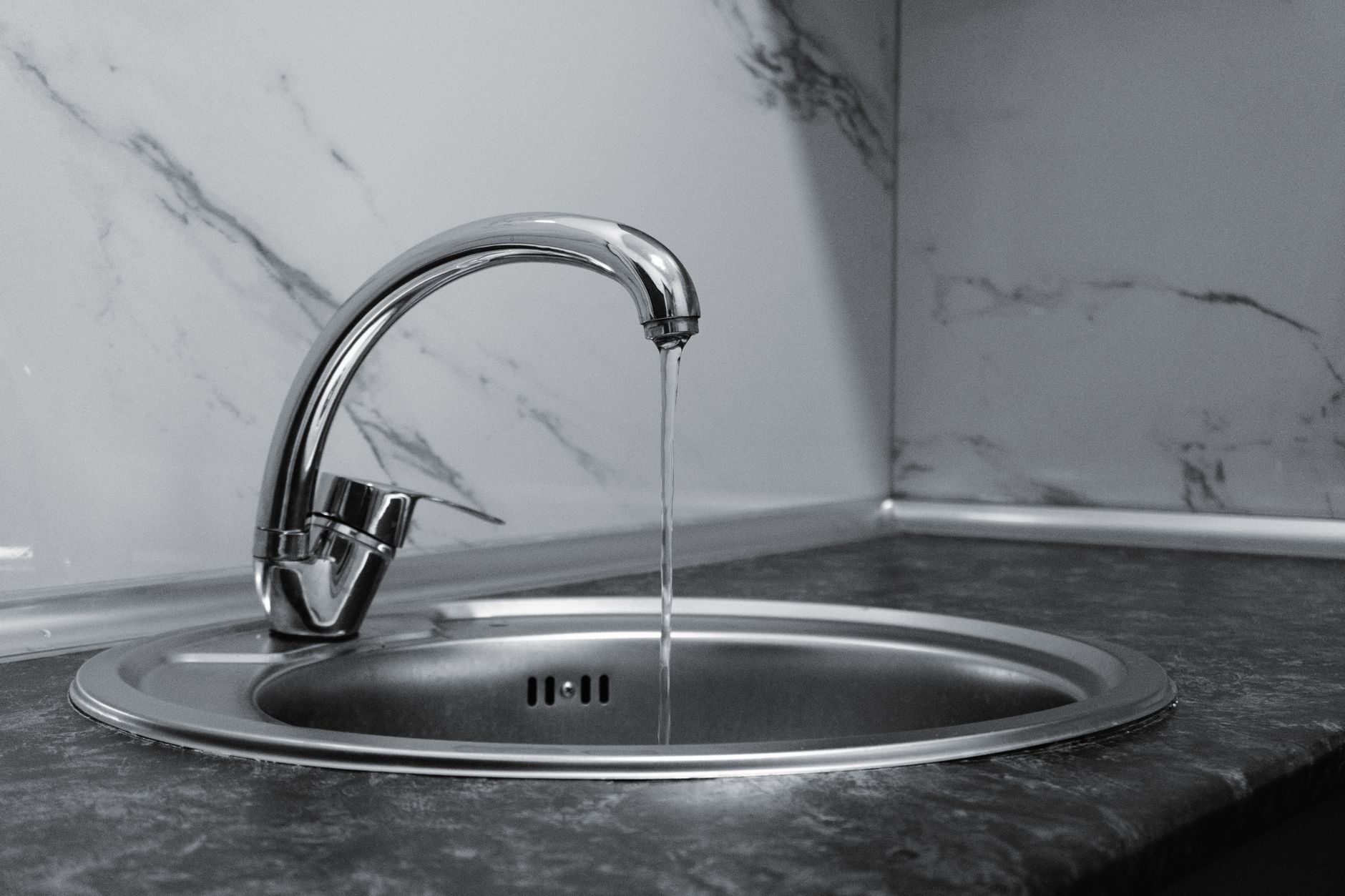
From an engineering perspective, integrating a heavy stone basin into a bathroom vanity requires precise structural planning. Unlike ceramic or porcelain, a solid marble basin carries significant weight, necessitating reinforced cabinetry or specialized wall-mounting brackets. Architects must ensure that the vanity carcass is constructed from moisture-resistant materials, such as marine-grade plywood, to prevent warping under the stone's load. For wall-mounted configurations, the structural integrity of the wall studs must be verified to support the concentrated weight of the basin and the plumbing hardware.
The plumbing layout must also account for the thickness of the marble. Unlike thin-walled porcelain, a natural stone basin has substantial depth, which affects the positioning of the drain and the P-trap. Designers should coordinate closely with plumbers to ensure that the waste outlet aligns perfectly with the pre-drilled hole in the stone. Misalignment not only creates an unsightly gap but can lead to leaks that compromise the surrounding cabinetry. Precise measurement and early communication between the stone fabricator and the plumbing contractor are vital for a seamless installation.
Waterproofing and sealing represent the most critical technical aspect of marble maintenance. Because marble is naturally porous, it is susceptible to staining from acidic substances like soaps, perfumes, or even certain cleaning agents. Specifying a high-quality, penetrating sealer during the fabrication stage is a non-negotiable requirement for any premium project. This sealer penetrates the stone's pores to create a barrier against moisture and oils, preserving the pristine white appearance of the basin for years. The American Society of Interior Designers (ASID) often emphasizes the importance of material durability in high-moisture environments.
Curating the Surrounding Elements for Maximum Impact

A white marble basin does not exist in a vacuum; its success depends on the surrounding material palette. To create a cohesive luxury experience, consider the relationship between the stone and the metal finishes used for faucets and hardware. Brushed gold or brass provides a warm, opulent contrast that complements the creamy tones of premium marble. In contrast, matte black hardware creates a sharp, graphic look that emphasizes the clean lines of a modern, minimalist design. Chrome or polished nickel offers a classic, timeless elegance that enhances the brightness of a white marble setup.
The choice of cabinetry material also dictates the overall mood of the space. Natural wood vanities, such as white oak or walnut, introduce organic warmth that balances the coolness of the white stone. For a more contemporary, sleek appearance, high-gloss lacquered cabinets in neutral tones can create a seamless, high-end aesthetic. If the project calls for a more dramatic approach, dark, ebony-stained wood can make the white marble basin pop with incredible intensity, turning the sink into a luminous centerpiece.
Finally, do not overlook the importance of the backsplash and surrounding wall treatments. Using the same marble for the backsplash as the basin creates a luxurious, integrated look that feels custom-made. However, introducing a different texture, such as zellige tiles or large-format porcelain slabs, can add necessary depth and prevent the design from feeling too monolithic. The goal is to create a layered environment where each material contributes to a sense of luxury, texture, and intentionality, ensuring the white marble basin remains the undisputed star of the room.
Share:
Recent Posts


