Your cart is empty now.


Elevating Luxury Interiors with a Black Marble Wash Basin
Designers often seek that one singular element that anchors a bathroom's aesthetic and dictates the mood of the entire suite. A black marble wash basin serves as this powerful focal point, offering a depth of color that synthetic materials simply cannot replicate. For architects working on high-end residential projects in the US, selecting the right stone involves more than just choosing a dark hue; it requires an understanding of vein patterns, mineral density, and light interaction. When properly placed, a dark stone vessel transforms a functional utility into a sculptural masterpiece.
Mastering the Aesthetics of Dark Stone Selection
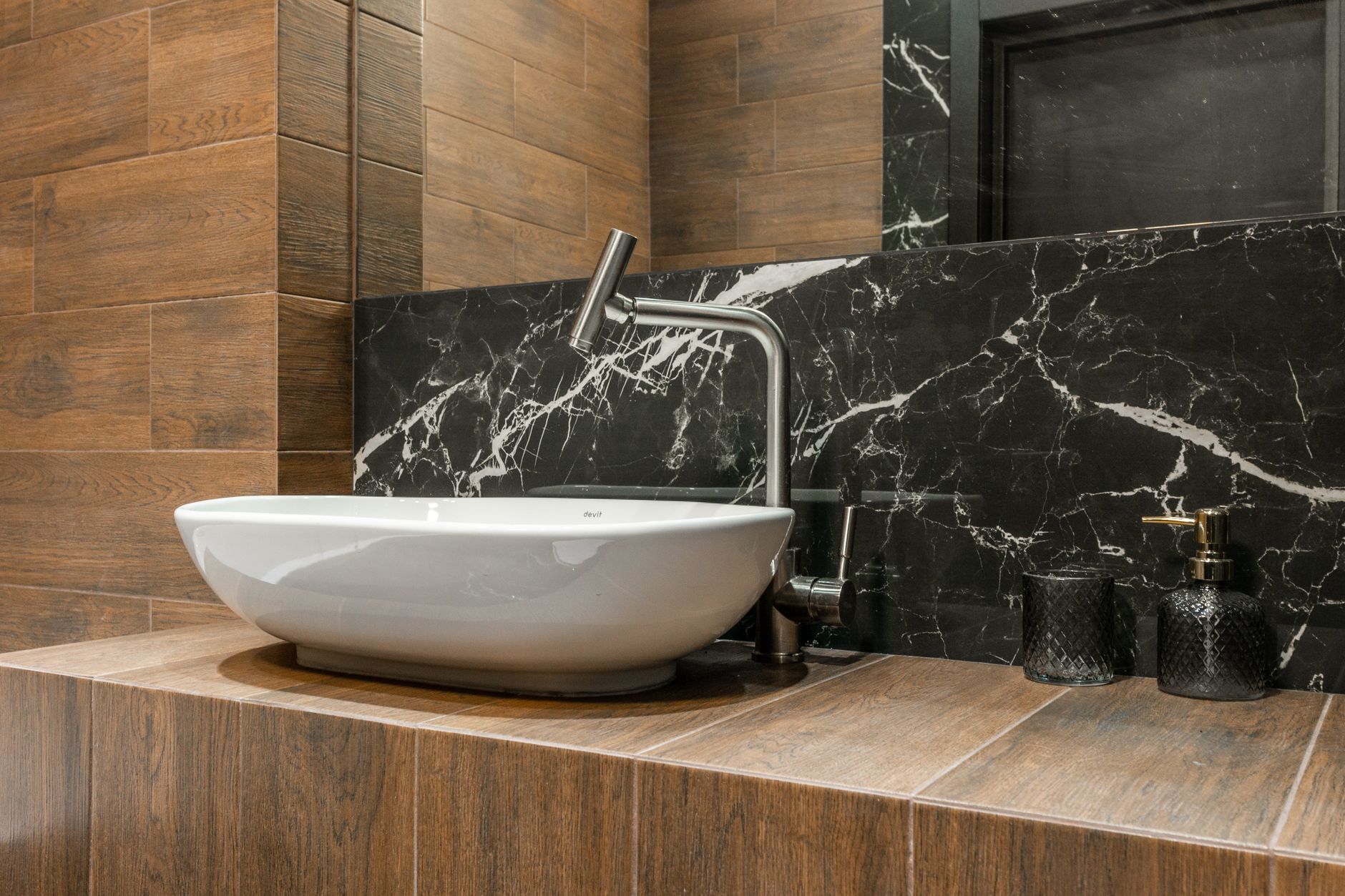
Choosing the perfect marble wash basin requires a keen eye for natural geological nuances. Every slab of black marble carries a unique fingerprint, ranging from stark, monochromatic depths to dramatic white or gold veining. Architects should evaluate how these veins will flow within the basin's geometry, ensuring the pattern complements the surrounding cabinetry and wall cladding. A heavy, dramatic vein might suit a brutalist design, while subtle, fine lines work beautifully in more minimalist, contemporary settings.
Texture plays an equally vital role in how light hits the bathroom surfaces. A polished finish enhances the reflective properties of the stone, making the room feel more vibrant and luminous. Conversely, a honed or matte finish absorbs light, creating a moody, atmospheric sanctuary that feels intimate and grounded. When specifying these pieces, consider the ambient lighting plan; recessed spotlights can highlight the crystalline structure of high-quality black marble, adding a layer of tactile luxury to the user experience.
Integrating these heavy stone elements into a cohesive design scheme involves balancing proportions. A large, vessel-style basin acts as a centerpiece, demanding enough surrounding "white space" or neutral tones to avoid overwhelming the vanity. You might pair a deep, dark basin with light oak vanities or cream-colored limestone walls to create a sophisticated tension. This interplay of light and dark prevents the space from feeling too heavy or enclosed, maintaining a sense of architectural balance.
Technical Considerations for Long-Term Durability
Beyond the immediate visual impact, the physical properties of the stone dictate its performance in high-moisture environments. Black marble, while stunning, requires careful consideration regarding porosity and maintenance. Natural stone remains a living material, meaning it reacts to its environment and the chemicals used in cleaning. For professionals, specifying a high-quality, pre-sealed stone is essential to prevent staining from soaps, oils, or acidic residues that can dull the surface over time.
The structural integrity of a wash basin depends heavily on the thickness of the stone walls and the precision of the carving. A well-crafted piece should feel substantial and solid, resisting the micro-cracks that can occur with inferior manufacturing. When reviewing specifications, check for the density of the marble; denser stones typically offer better resistance to water absorption. This technical foresight ensures that the luxury you provide today remains intact for the homeowner's future.
Designing Around the Black Marble Wash Basin

Creating a cohesive bathroom ecosystem around a dark centerpiece involves a strategic approach to color palettes and hardware. Many designers opt for a monochromatic "black-on-black" look by utilizing dark tiles and charcoal fixtures, which creates a sleek, ultra-modern aesthetic. However, introducing metallic accents like champagne bronze or polished nickel can break the darkness and add a necessary layer of warmth. These metallic elements reflect light and provide a sharp contrast against the deep, dark tones of the marble.
The surrounding cabinetry also serves as a canvas for the basin's design. Natural wood grains, such as walnut or reclaimed teak, provide an organic counterpoint to the cold, smooth surface of the stone. This combination of organic and mineral textures creates a "biophilic" luxury that is highly sought after in modern American interior design. The goal is to create a sensory experience where the user feels the weight of the stone and the warmth of the wood simultaneously.
Lighting design must be treated as an architectural tool rather than an afterthought. Layered lighting—comprising task lighting for the vanity, ambient lighting for the room, and accent lighting for the stone—is crucial. Directional lighting can be used to cast shadows that emphasize the depth of the basin's interior, while soft, diffused light can soften the edges of the dark stone. This careful manipulation of light ensures that the black marble does not become a "black hole" in the room, but rather a glowing, textured highlight.
Maintenance and Care for High-End Stone
Educating the end-user on the care of their investment is a critical part of the designer's responsibility. While black marble is incredibly durable when properly maintained, it is not indestructible. Avoid using harsh, acidic cleaners—such as those containing vinegar or lemon—which can etch the surface and destroy the polished finish. Instead, recommend pH-neutral stone soaps and soft microfiber cloths to preserve the natural luster of the stone.
Regular inspections for any signs of water spotting or mineral buildup are also necessary. In areas with hard water, the accumulation of calcium can create a white film that obscures the beauty of the black stone. Providing a simple, actionable maintenance guide to the client adds immense value to your service. It ensures that the breathtaking bathroom you designed remains a stunning reality for years to come, protecting both the stone and the homeowner's investment.
Sourcing and Installation Precision
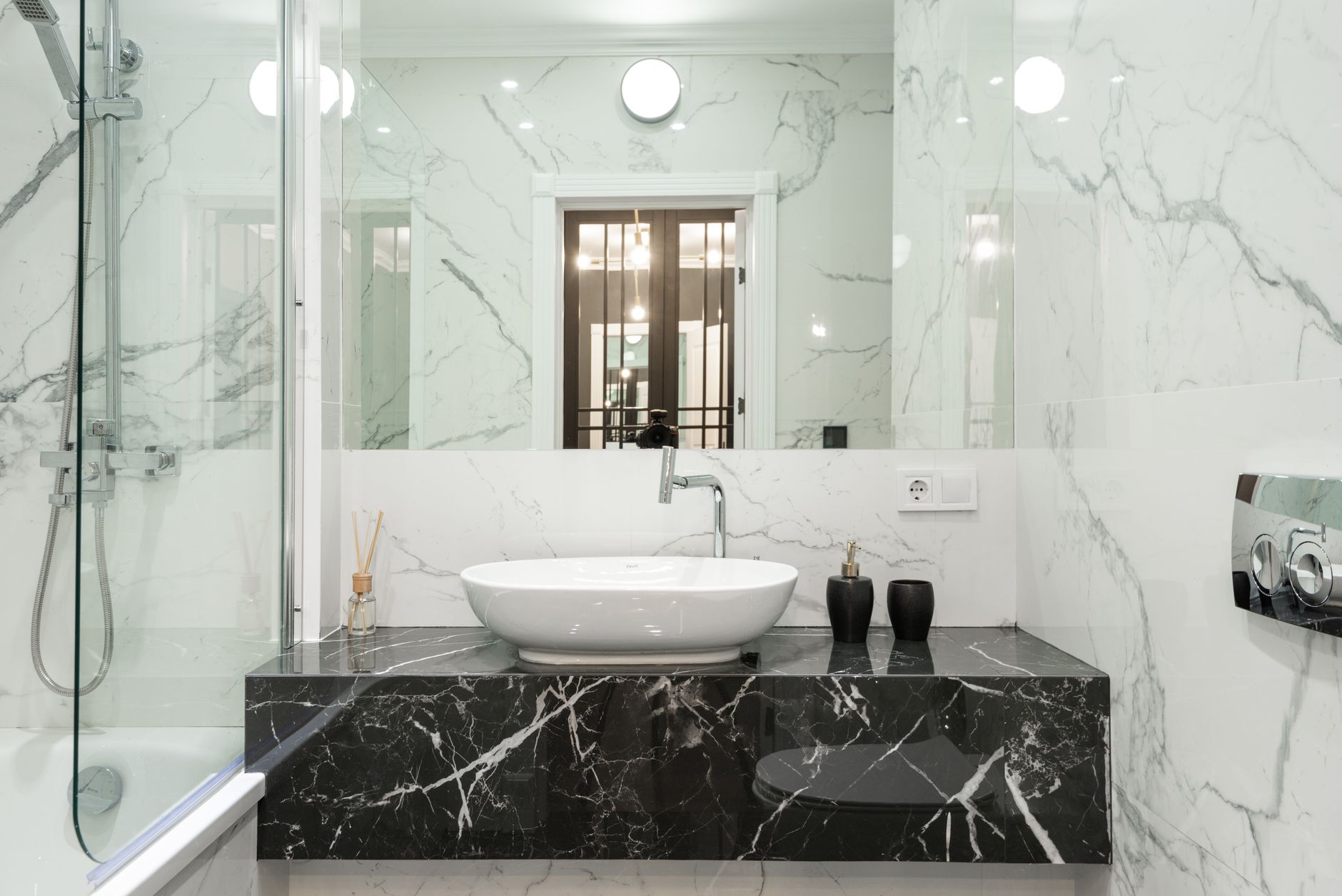
The installation of a heavy marble vessel requires meticulous planning and professional execution. Because of the significant weight of natural stone, the vanity or countertop must be structurally reinforced to prevent any sagging or instability. Architects must coordinate closely with plumbers and contractors to ensure that the drainage alignment is perfect before the stone is set. Even a millimeter of misalignment can lead to unsightly gaps or functional issues that are difficult to rectify once the stone is installed.
When sourcing, look for suppliers who specialize in natural stone craftsmanship and can provide detailed stone profiles. The edges of the basin—whether sharp and modern or softly rounded—will significantly impact the overall "feel" of the piece. A sharp, chiseled edge conveys a sense of modern strength, while a bullnose or eased edge offers a more classic, gentle appearance. Selecting a supplier with a proven track record in high-end stone fabrication ensures that the technical execution matches your creative vision.
Finally, consider the environmental and ethical origins of the stone. As sustainability becomes a core pillar of modern architecture, understanding the quarrying processes and the longevity of the material is paramount. Natural stone is a permanent material that does not need to be replaced like synthetic alternatives, making it a more sustainable choice in the long run. By prioritizing quality and durability, you are not just designing a beautiful space; you are creating a lasting legacy of luxury and environmental responsibility.
Share:
Recent Posts


